

- Film Data Review by: Mother of Movies Film Title: They Look Like People
- Cast: MacLeod Andrews, Evan Dumouchel, Margaret Ying Drake
- Director: Perry Blackshear
- Writer: Perry Blackshear
- Distribution: Film1 Sundance Channel, Signature Entertainment (United Kingdom, 2019), Netflix
- Production: They Look Like People
- Release Date: January 25, 2015, at the Slamdance Film Festival
This review was updated on November 1, 2025, to reflect on the film’s lasting impact within the psychological horror genre. As conversations around mental health in cinema evolve, Mother of Movies has rewatched and reconsidered this quiet masterpiece, sharpened teeth and all.
We’re dissecting this film’s psyche, which means plot points and thematic spoilers are definitely on the therapy couch ahead. If you prefer your cinematic illnesses undiagnosed, maybe come back after your viewing appointment.
They Look Like People (2016) – TEASER Trailer
Before you watch the official teaser for They Look Like People (2015), consider this: paranoia isn’t just a symptom, it’s a survival strategy. In this haunting psychological horror film from Perry Blackshear, inner demons manifest in eerily quiet moments and fractured relationships. The teaser trailer, steeped in eerie mantras and creeping unease, sets the tone for a story where trust fractures and reality bends. “You are a mountain,” it whispers, an unsettling reminder that the biggest threat might not be lurking in the shadows, but living inside your own head. Press play, and prepare to question everything.

Skip to a Specific Section
A Friendship on the Brink of Apocalypse
Horror has always loved a good monster, but the most terrifying ones rarely have claws or fangs. They’re the ones that whisper from the dark corners of our own minds, convincing us that reality has cracked. Perry Blackshear’s 2015 indie stunner, They Look Like People, doesn’t just understand this; it builds a quiet, dread-soaked cathedral to it. This isn’t a film about a demonic invasion; it’s about the terrifyingly thin line between protecting a friend and enabling a delusion, all wrapped in a blanket of suffocating stillness.
At first glance, this psychological horror is deceptively simple and was. I’ll admit, it was a little hard to get into. The stark lack of special effects and its unhurried, deliberate pacing might test the patience of those weaned on jump scares. But that’s the point. Like the slow creep of a genuine psychosis, the film doesn’t rush. It builds its world in layers of unease, letting the silence scream louder than any monster ever could.
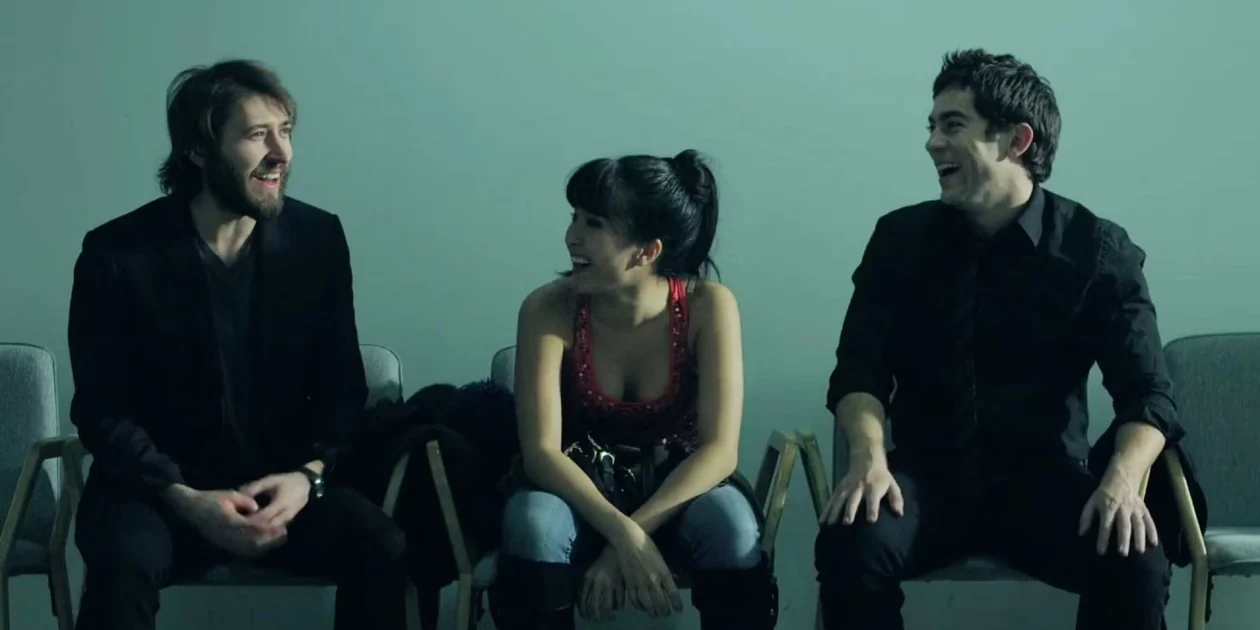
The narrative heart of They Look Like People beats within the rekindled friendship of Wyatt (MacLeod Andrews) and Christian (Evan Dumouchel). These aren’t horror movie archetypes; they are achingly real men. Both were fractured in their own ways. Christian is fighting a losing battle with his own insecurities, masking his anxieties with a fragile bravado that’s fooling no one at his corporate job. Wyatt, fresh off a painful breakup, arrives seeking refuge, but he’s carrying a much heavier burden: the conviction that the world is being silently conquered by demons hiding in human skin.
What’s astonishing is Christian’s quiet acceptance of Wyatt’s increasingly erratic behavior. He sees the stockpiled weapons, hears the strange theories, and yet his primary response is one of fraternal concern, not alarm. This dynamic creates a precipice of unbearable tension. Blackshear expertly shifts our focus between Christian’s mundane struggles. Losing his job, trying to connect with his boss, Mara (Margaret Ying Drake), and the life-or-death stakes of Wyatt’s internal war. We’re left perpetually wondering if Wyatt’s next act of “self-defense” will be to “save” his best friend by ending him.
The Sound of a Mind Unravelling
So much of the film’s power comes from its phenomenal sound design. The horror isn’t what you see; it’s what you hear. Wyatt is plagued by disembodied voices on the phone, one of which sounds unnervingly like a nod to the rabbit from Donnie Darko. If you haven’t watched that seminal film about mental collapse, add it to your watchlist. These voices, along with the persistent sound of buzzing flies, become his indicators of demonic possession.
The cinematography reinforces this sense of isolation. Shots are drenched in a profound stillness, creating an uneasy feeling that lingers long after the credits roll. There are no frantic cuts or shaky cams. Instead, the camera holds on faces, letting the subtle shifts in expression tell the story. This deliberate, minimalist approach forces you to lean in, to question everything you see, and to feel the oppressive weight of Wyatt’s reality. It’s a chaotic and noisy mindset presented with terrifying calm.
This is where the film solidifies its brilliance. By stripping away horror’s typical bells and whistles, Blackshear proves that the most potent fear comes from empathy. We’re not just watching a man unravel. We are trapped inside his head with him, forced to consider the terrifying possibility that he might not be crazy after all. The final, devastating confrontation is a testament to the power of trust and friendship in the face of absolute terror, making for an unforgettable and deeply human conclusion.
They Look Like People, Where to Watch
They Look Like People is streaming on:
Powered byIntimate Paranoia & The Horrors Within
They Look Like People A modern classic in minimalist horror, proving that the scariest monsters are the ones we can’t see. It swaps jump scares for a suffocating dread built on the terrifyingly fragile trust between two friends. A must-see for those who like their horror smart, subtle, and deeply human.
“This isn’t a film about a demonic invasion; it’s about the terrifyingly thin line between protecting a friend and enabling a delusion, all wrapped in a blanket of suffocating stillness.”
Rating:
They Look Like People is rated: 4 whispered warnings in a dark room out of 5
Behind The Lens
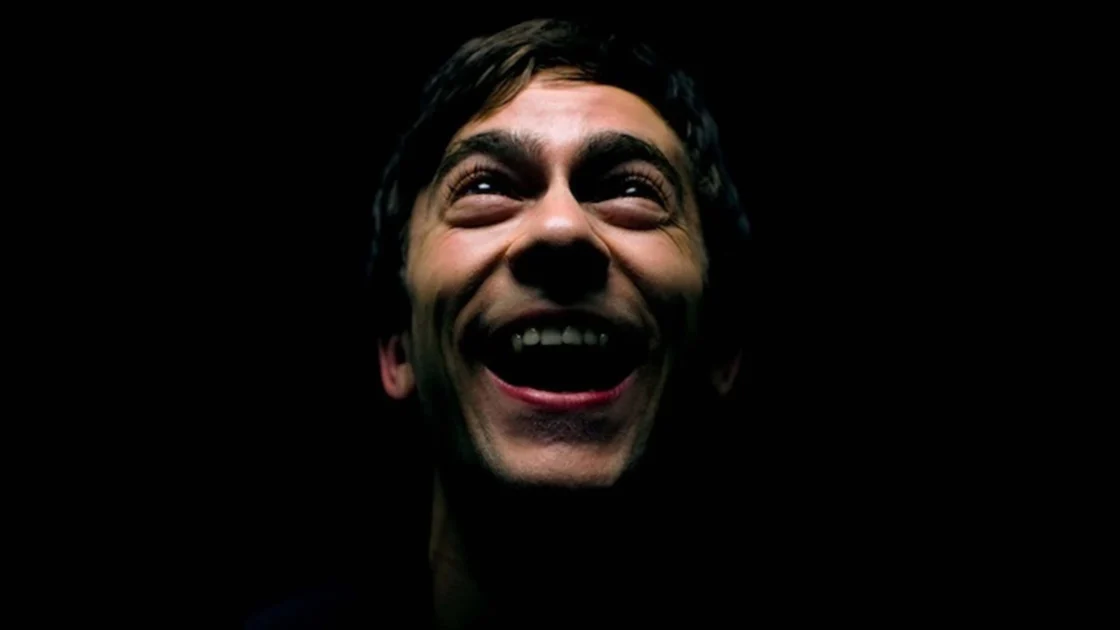
The Filmmaker’s Stamp: Perry Blackshear Writer-director Perry Blackshear is a distinct voice in American independent horror, known for his intensely intimate and emotionally grounded films. His “filmmaker stamp” involves using a core trio of actors (MacLeod Andrews, Evan Dumouchel, Margaret Ying Drake) across his projects, creating a familiar, repertory feel. Blackshear’s style prioritizes raw human connection, often friendships or sibling bonds, over spectacle. His works, like the follow-up folk horror When I Consume You, share a lo-fi, almost claustrophobic aesthetic, focusing on the internal demons of his characters as much as any external threat. He proves you don’t need a big budget to create profound, soul-shaking horror.
Pros & Cons
- Pro: This isn’t just a horror movie; it’s a profound drama about two broken men trying to save each other, and it’s devastatingly effective.
- Con: The film’s slow-burn approach is its greatest strength and biggest hurdle. If you’re looking for cheap thrills, you’ll be checking your watch before the paranoia fully kicks in.
- Pro: The chilling whispers, distorted calls, and buzzing flies create more dread and atmosphere than a million-dollar CGI monster ever could.
- Con: Its horror is almost entirely psychological. Viewers wanting visceral gore or clear-cut monsters will leave feeling hungry.
- Pro: The final scene is one of the most tense, terrifying, and ultimately moving sequences in modern indie horror, built entirely on performance and trust.
They Look Like People: Answering Your Burning Questions
Q1: What are the key spoilers in They Look Like People? A: The central spoiler is that the “demons” are manifestations of Wyatt’s severe mental illness, likely schizophrenia. He receives phone calls from a distorted voice warning him of a coming war and hears buzzing flies to indicate a person is possessed. He believes his friend Christian’s boss, Mara, is also aware of the demonic takeover, which is why he shows her his fortified basement. The entire invasion is happening only in his mind.
Q2: What is the explanation for the ending of They Look Like People? A: In the climax, Wyatt is convinced Christian is a demon and is about to kill him. However, Christian, facing his own “demon” of cowardice and insecurity, chooses to trust his friend completely. He lies down and allows a terrified Wyatt to test him, proving his humanity and loyalty. This act of profound trust breaks through Wyatt’s psychosis, forcing him to confront the reality that his hallucinations are not real. It is an affirmation that human connection can be an anchor against the storm of mental illness.
Q3: What are some movies similar to They Look Like People (2015)? A: If you appreciate the slow-burn psychological tension and themes of mental illness in They Look Like People, you might also connect with films like The Blackcoat’s Daughter, It Comes at Night, Possum, and Saint Maud. For more films that explore mental health through a horror lens on Mother of Movies below.
Movies Similar to “They Look Like People 2015”
Here are some movies about mental illness reviewed on Mother of Movies: Kindred / Vulcanizadora / Relic / Hereditary / Daniel Isn’t Real / Unhinged
“GOODBYE A!S*OLE”
Quote from the movie, They Look Like People
