
I’d heard plenty of chatter about PUSH but avoided any plot details until it finally landed on Shudder. It opens with a woman and a man in bed; she speaks with a thick accent, he’s blonde, handsome, and trying to convince her to leave for America despite her family’s disapproval. It feels intimate until it doesn’t. We cut violently to him slumped over a steering wheel, bleeding. And then, she wakes.
Barcelona in the late ’90s, “Clair de Lune” playing, and the words Mad Descent flashing up like a warning label. Eight months later, she’s in Northern Michigan. If you connect the dots, the man from her dream is gone, she’s pregnant, and she’s isolated by choice or circumstance.
Natalie, we don’t learn her name until later, pulls up to a massive cottage-style house with red-framed windows and a warm palette of creams, whites, and browns. She’s there on business: the house is for sale, and she’s a realtor determined to close the deal. The aerial shot of her winding drive into the property underlines how far she is from help.
Inside, the house is beautiful but uneasy. Light shards and blurred edges give the air a thick, dreamlike quality. There’s a rattly elevator that feels like it has its own agenda, a ground-floor door that refuses to close, and a creepy stone hut outside that the camera lingers on without explanation. Her mother calls, speaking in their native language, urging caution. Natalie insists she can handle it. Her reputation, her livelihood- depends on it.
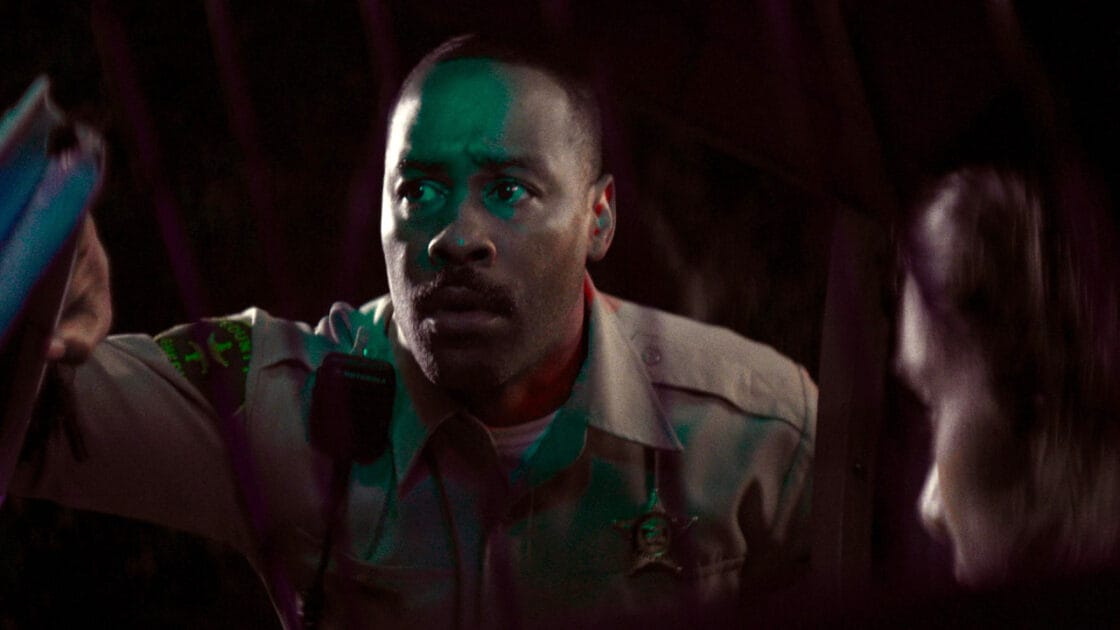
Strangers in the Snow – Review of Push
The first visitor is a man who claims he was “just driving by” and saw the For Sale sign. The way he watches her instead of the property signals danger before anything overt happens. Soon, he’s recounting the house’s tragic history: a previous owner was murdered, locals are convinced the place is cursed, and a sales record to match. Natalie tries to keep it professional, but the atmosphere shifts.
When her car won’t start, a mechanic, Guy, arrives. She tells him the house has been on the market for years and that accidents happen here more often than they should. He disappears not long after. Instead of calling the police, Natalie wanders, eventually finding a tunnel in the basement.
Lights flicker. Taps run on their own. A piano she’d been playing starts up again without her. The film makes excellent use of long shots where a figure, possibly the earlier stranger, lurks just at the edge of vision. When she finds Guy’s body in the nursery, her water breaks. The perfect storm.
The Cinematic Pull
PUSH thrives on its visuals. The cinematography is an homage to slow-burn horror like The House of the Devil, with careful framing, deliberate pacing, and a desaturated, steel-blue palette that turns the snowy Michigan landscape into something alien. Close-ups of Natalie’s face are often softened at the edges, pulling the audience into her narrowed focus while hinting at unseen movement beyond.
Sound design is equally meticulous: the creak of floorboards, the metallic clank of the elevator, the faint rush of wind through cracks. They’re the sort of details that creep in under your skin, especially when nothing overtly scary is happening.
Themes Beneath the Tropes
The tropes are intentional: the isolated location, the broken-down car, the heavily pregnant protagonist, and the local curse. But there’s more under the surface. Natalie’s stubbornness reads as a mix of pride, guilt, and an almost defiant need to prove her independence after losing her partner. Her mother’s long-distance concern contrasts sharply with her physical absence, making the house’s emptiness even more pronounced.
There’s also a subtle critique of how much danger we’ll tolerate if we’ve convinced ourselves it’s temporary, that the job will be quick, the storm will pass, and the stranger will leave.
The Reveal and the Reckoning
By the final act, we learn about Gabriel Marquez, born in 1979, who escaped from a psychiatric ward, tethered to the house in a way that’s as much myth as fact. As long as the house stands, so does he. It’s an eerie folklore note in an otherwise grounded setup, and it reframes every shadow we’ve seen.
The ending delivers resolution without catharsis, leaving Natalie’s choices, and their cost, hanging in the cold Michigan air.
If there’s a flaw, it’s that the tension plateaus midway through. The middle stretch repeats beats we’ve already absorbed: Natalie is in danger, the house is cursed, the man is watching. The film’s strength, its mood, becomes its limitation. Still, for a stormy night and a bowl of popcorn, PUSH delivers exactly what’s on the tin: a stylish, confident slice of indie horror.
Push 2024 is Rated:
3.5 rattling elevators out of 5.
Push Spanish and English Horror\Thriller (2025)
“In PUSH, the house isn’t haunted, it’s just patient.” – Mother of Movies PUSH is a beautifully shot, confidently structured indie horror that nails the mood but never quite shocks. Gorgeous to look at, perfect for a rainy night in, but it won’t keep you up after.Support Mother of Movies and keep the content flowing:
❤️ Donate to Mother of MoviesDirector/Writer: David Charbonier | Justin Douglas Powell (as Justin Powell)
Production Company LuckyChap
Distribution: Shudder / Front Row Filmed Entertainment
Release Date: Jul 11, 2025 (United States)
If you love narratives with a good dose of feminine rage, here are some more titles to watch: The Stylist / Riot Girls, or Homewrecker.
Similar Review – Bloody Disgusting on PUSH
Push
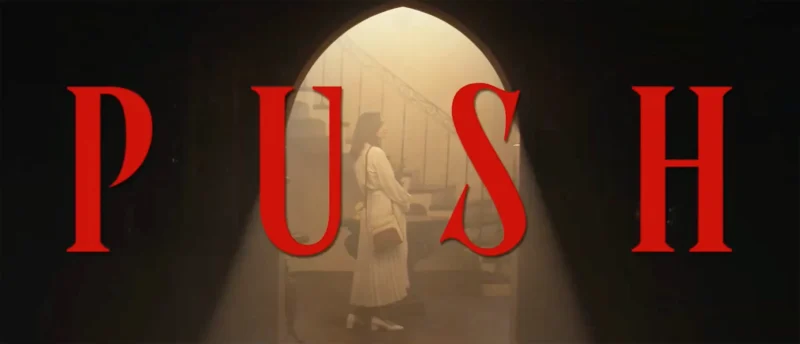
Director: David Charbonier, Justin Douglas Powell
Date Created: 2025-07-11 05:56
3.5
