
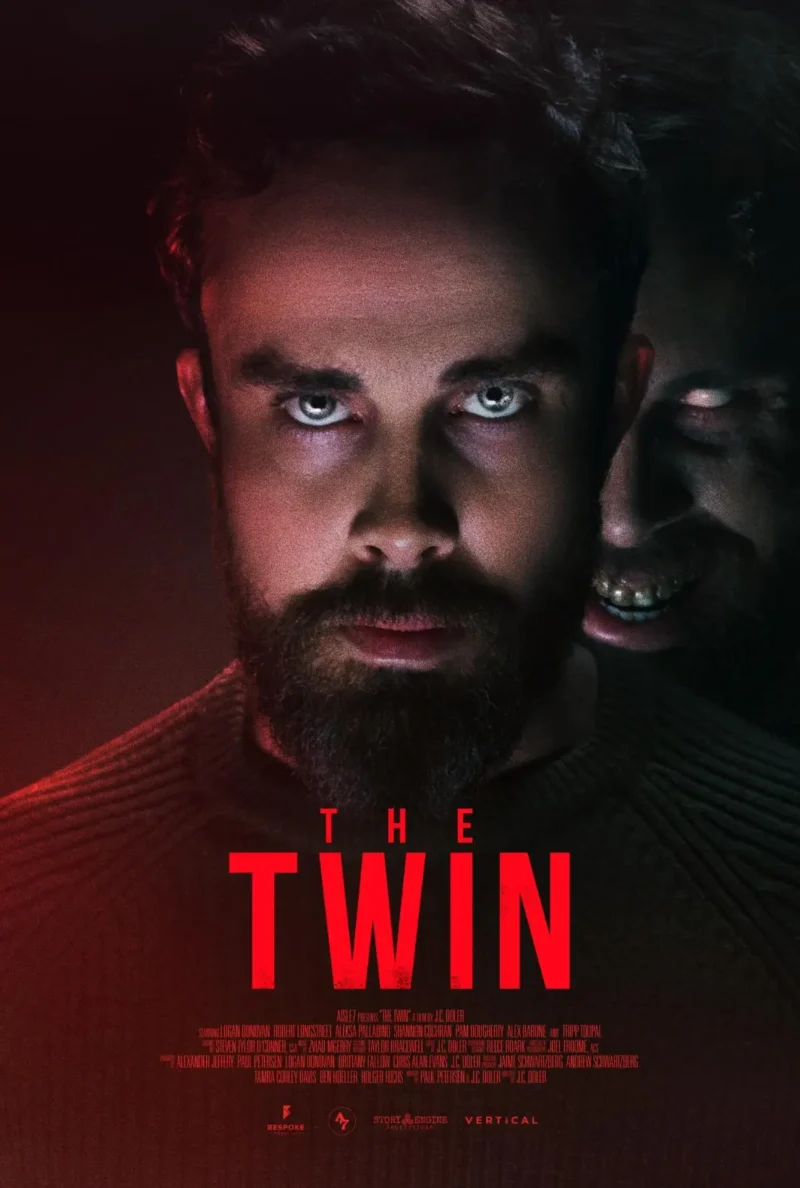
Film Title: The Twin
- Director: J.C. Doler
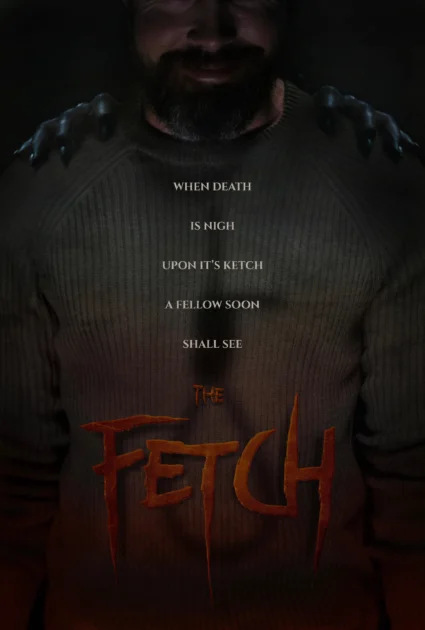
- Title: The Twin 2024 (USA) The Fetch (CA)
- Writers: Paul Petersen, J.C. Doler
- Main Cast:
- Logan Donovan (Nicholas)
- Aleksa Palladino (Charlie)
- Robert Longstreet (Dr. Beaumont)
- Tripp Toupal (Jacob)
- Tucker Grumbles (Young Nick)
- Distribution: Shudder, Vertical Entertainment (United States Theatrical, 2025)
- Release Date:
- October 27, The Twin 2024 (Austin Film Festival)
- 1st July 2025 (online) UK and USA / Known as The “Fetch” in Canada and the UK.
Before we dive into The Twin, a quick shout-out to the folks who made this screener possible for Mother of Movies!
We’re incredibly grateful to Shudder for providing Mother of Movies with an exclusive screener of The Twin. Their commitment to indie and genre cinema is something we truly champion.
This review delves into themes of profound grief, mental health struggles, and suicide ideation, which are central to The Twin‘s narrative. Proceed with awareness.
When Grief Becomes a Doppelgänger: The Twin 2024 Unmasks the Mind
Review by: Mother of Movies
Life has a way of turning the lights out when you least expect it, doesn’t it? One minute, you’re basking in the warm glow of domestic bliss, baking “world-famous monster cookies” with your son, and the next, the world goes utterly, irrevocably dark. J.C. Doler’s The Twin, which first graced the screens at the Austin Film Festival, doesn’t just wipe its tears off into the murky waters of grief; it plunges headfirst, dragging you down into the undertow of a mind sliced open with unimaginable loss. This isn’t your average jump-scare fest; it’s a slow-burn psychological descent, a film that understands the true horror that lies not in what lurks in the shadows, but in the shadows we cast ourselves.
We meet Nicholas (Logan Donovan), a painter, a dad, a man whose life is vibrant and airy, much like the beautiful, beach-colored house he shares with his wife, Charlie (Aleksa Palladino), and their son, Jacob (Tripp Toupal). The early scenes are awash with established idyllic domesticity. Using bright, open visuals to underline the foreshadowing contrast of the devastation to come.
Doler, whose earlier short film Hangman explored similar themes of mental fragmentation, wastes no time in shattering this peace. A simple, heartbreaking accident involving untied shoes and a flight of stairs plunges Nicholas and Charlie into the black dog’s grasp. The film articulates this devastation by literally sucking the light out of their world, leaving them as emotional silhouettes, a powerful, wordless testament to their shattered reality.
Unpacking the Psychological Depth of The Twin: A Descent into Grief’s Labyrinth
One month later, Nicholas, reeling from the loss and a subsequent suicide attempt (depicted with almost reflective artistry as Charlie discovers him through a window), finds himself exiled to his late grandmother’s house. It’s a place steeped in his own childhood trauma, a house where, according to a neighbor, he uttered the ominous word “Fetch.” This was shortly after his grandmother’s death, which followed closely on the heels of his parents’ demise. Nicholas also told the neighbour that the person in his house was not his grandmother.
Here, the film introduces the concept of the “Fetch”, a supernatural double, an omen of impending death. But The Twin 2024 cleverly keeps us teetering on a razor’s edge: is Nicholas truly haunted by a spectral doppelgänger, or is his mind, fractured by grief and past traumas, manifesting its own terrifying reality?
Charlie, in a desperate attempt to salvage what little remains of their lives, enlists Dr. Beaumont (Robert Longstreet), a therapist with his own cross to bear. Dr. Beaumont lost his daughter to suicide. This dynamic is where The Twin truly shines, leveraging the raw, relatable cynicism of Nicholas’s initial resistance against the doctor’s hard-won wisdom. The doctor’s quiet insistence that “mental help is not your fault, but it is your responsibility” cuts through the noise, offering a grounding force in Nicholas’s spiraling world.
Longstreet delivers a nuanced performance, portraying a man who understands the abyss because he’s stared into it himself. He provides a subtle counterpoint to Donovan’s unraveling portrayal of Nicholas. The film, like its protagonist, floats between the supernatural and the deeply psychological. It’s a narrative choice that keeps the audience invested. Is it a ghost story, or a profound exploration of dissociative identity and trauma response? The film’s strength lies in its refusal to offer easy answers, mirroring the chaotic internal landscape of Nicholas as he leans into trying to make his way back to his wife.
When Reality Unravels: Exploring Mental Health in Indie Horror
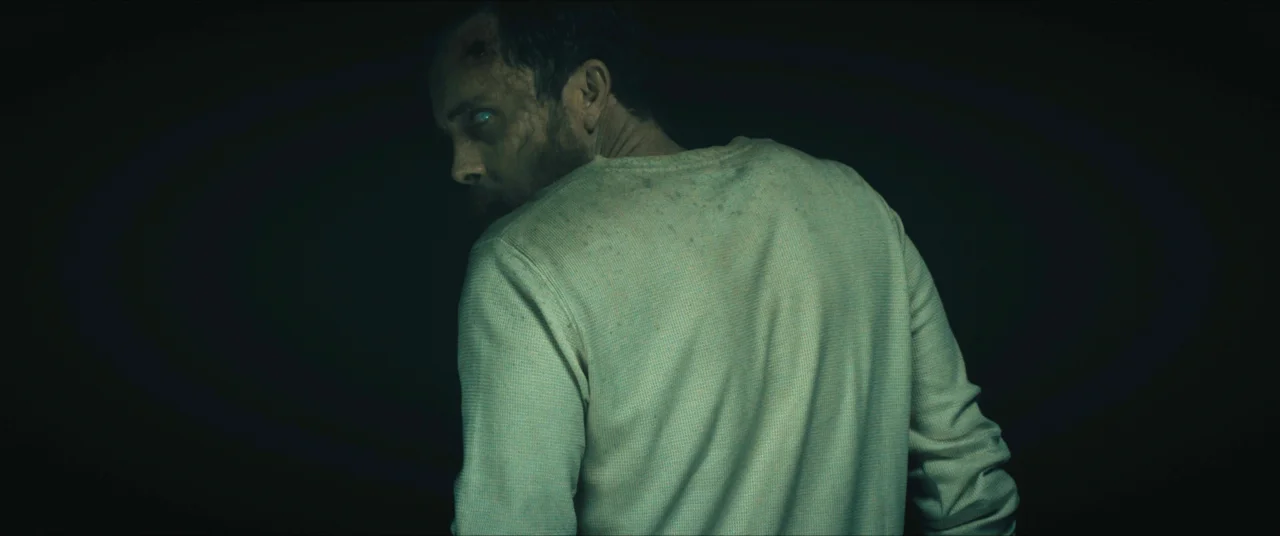
Nicholas attempts to finish a painting of Jacob. It’s a poignant act of remembrance that becomes more and more difficult as Jacob’s face repeatedly blurs from his memory (a relatable phenomenon for anyone who has lost a loved one. The Fetch begins to manifest with unsettling frequency. The visual language here is key: flickering lights, echoing voices, and glimpses of his grandmother and then himself, with white eyes and gruesome features. The film’s sound design is particularly effective, creating an auditory landscape of mounting paranoia, where every creak and whisper amplifies Nicholas’s internal turmoil.
The script, co-written by J.C. Doler and Paul Petersen, is lean, preferring nuanced visuals and carefully chosen dialogue compared with more popular exposition dumps. This minimalist approach allows the performances, particularly Donovan’s, to carry the emotional weight. We witness Nicholas’s struggle to differentiate between reality and hallucination, a battle that culminates in a sequence where the Fetch appears to take over his body. The sudden shift in Nicholas’s demeanor, from manic distress to an unnerving calm, is expertly played, making us question who, or what, is truly in control.
This exploration of identity, self-blame, and the fragile line between sanity and delusion is reminiscent of psychological thrillers like Fight Club or the unsettling TV series Mr. Robot, where the protagonist’s internal world becomes a battleground for their very existence. The film also echoes the ambiguity of Enemy or the psychological duress seen in Black Swan, where the mind’s capacity for self-destruction is its most potent foe.
More Than a Monster: The Nuances of Grief and Identity in The Twin 2024
The Twin pulls no punches in depicting the raw, ugly truth of grief and mental health. It’s a film that understands the “black dog” of depression, the voices of blame that can echo in a low moment. Nicholas’s journey isn’t about vanquishing an external monster; it’s about confronting the internal ones. The ones that tell him he’s responsible for his son’s death, that he’s a failure. The bruises on his body, the hanging mark reappearing on his neck, are not just physical manifestations of a supernatural struggle, but potent symbols of self-inflicted torment and the lingering scars of trauma.
The film’s resolution, while perhaps leaning into a more sentimental conclusion than some might expect from a “Mother of Movies” pick, offers a powerful message: trauma leaves a permanent shadow, a “crazy twin” lurking in the mirror, but it doesn’t have to define your existence. The journey back is arduous. It requires the painful acknowledgment of accident over blame, and the courage to re-engage with the real world, to finish the painting, to rebuild.
The Twin 2024 is a testament to the resilience of the human spirit, even when it feels irrevocably broken. It’s a passion piece, clearly close to the heart of its filmmakers, and it’s precisely the kind of underseen independent cinema we champion. Vertical Entertainment, as a distributor, continues to bring these important, character-driven narratives to broader audiences, and for that, we’re always thankful.
The Twin 2024: A Cinematic Echo Chamber of Loss
J.C. Doler’s The Twin is a stark, compelling exploration of grief’s psychological toll, masterfully blurring the lines between supernatural horror and the terrifying reality of a mind trying to create enough space to grieve. Logan Donovan delivers a visceral performance as a father consumed by tragedy, supported by Aleksa Palladino’s subtle strength and Robert Longstreet’s empathetic gravitas. While its conclusion offers a touch of sentimentality, the film’s push through trauma, identity, and the echoes of the past is a genuinely unsettling and deeply human experience. A powerful indie psychological horror that is exceptionally well put together.
The Twin is rated
3.5 Echoes in the Abyss out of 5
“J.C. Doler’s The Twin doesn’t just wipe its tears off into the murky waters of grief; it plunges headfirst, dragging you down into the undertow of a mind sliced open by unimaginable loss.” – Mother of Movies
– Mother of Movies
Bring Her Back 2025 (Psychological horror) is streaming on:
The Twin 2025 (Psychologocal Horror) is streaming on:
Internet Buzz & The Twin Related Films:
While The Twin (2025) is a relatively fresh title, its director, J.C. Doler, has a previous short film also titled Hangman (sometimes referred to as a short version of The Twin‘s original script title). This short, has garnered attention for its intense portrayal of paranoid schizophrenia and its connection to classic gothic horror like Guy de Maupassant’s “The Horla.” This context suggests that the feature film will likely resonate with viewers interested in the psychological underpinnings of horror and the exploration of mental illness through a genre lens.
The film’s festival run at Austin Film Festival also places it firmly in the indie circuit, and was popular with genre enthusiasts and film critics seeking out thought-provoking, character-driven horror.
For those more inclined to see films that explore doppelgängers, fractured identities, and the thin veil between reality and perception, The Twin sits comfortably alongside:
- Movies Like:
- Fight Club (1999) – A classic exploration of a protagonist’s fractured psyche and an imagined alter-ego.
- Enemy (2013) – A surreal, unsettling film about a man who discovers his exact physical double.
- TV Shows:
- Mr. Robot (2015-2019) – Follows a cybersecurity engineer with social anxiety and clinical depression who is recruited by an anarchist hacker, blurring lines between his reality and delusions.
- Severance (2022) – While not supernatural, this series masterfully explores fragmented identities and the psychological impact of separating work and personal memories.
The Echo in the Empty House: The Twin 2024 Shakes the Terrors of Trauma
Director: J.C. Doler
Date Created: 2025-07-01 11:30
3.5
