
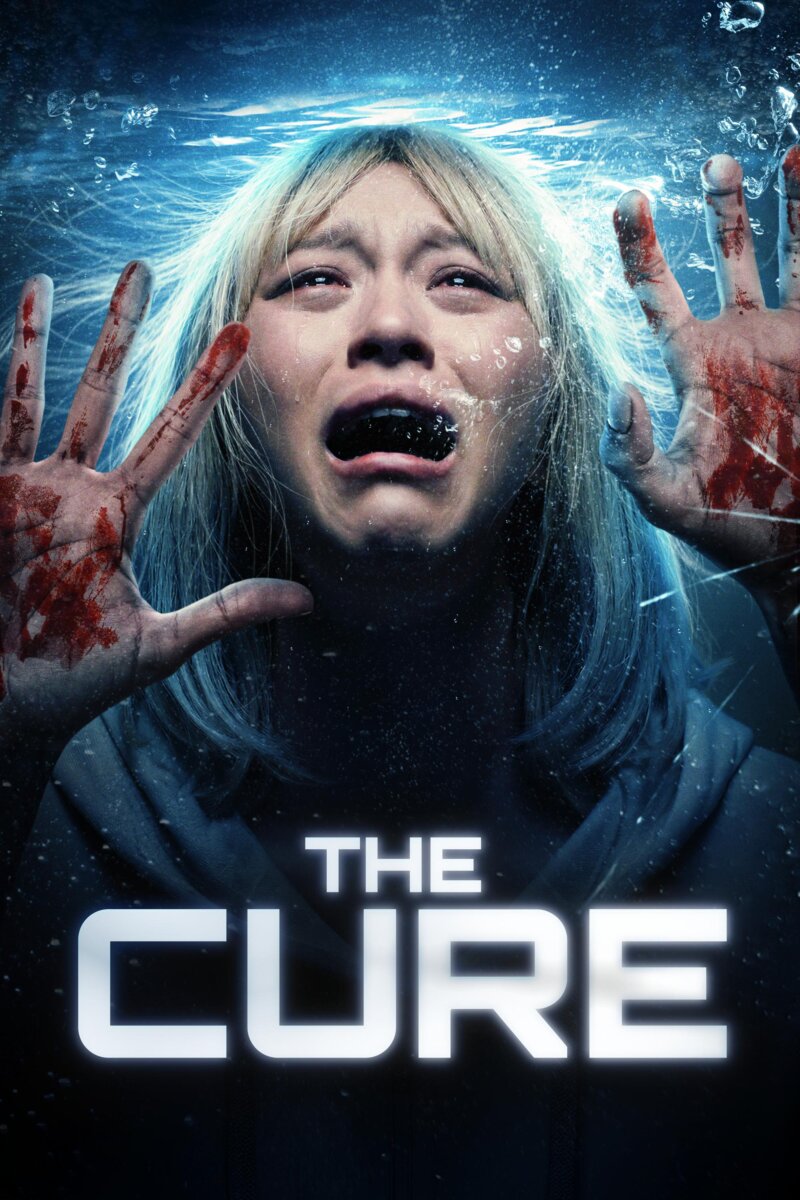
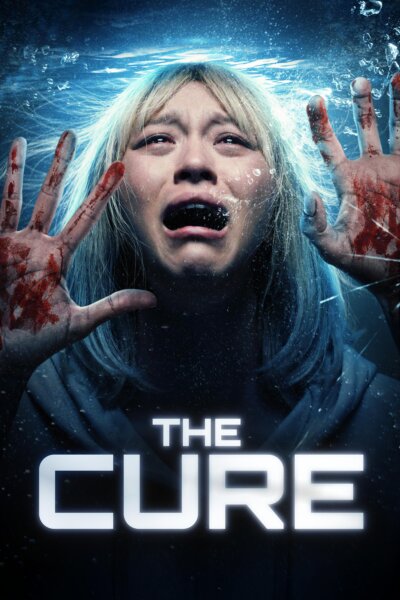
Film Title: The Cure 2026
Cast: David Dastmalchian, Ashley Greene, Samantha Cochrane
Director: Nancy Leopardi
Writer: Jonathan Bernstein and James Greer – [Same writers as Unsane]
Distribution: Vertical (US), Signature Entertainment (UK VOD – April 13, 2026)
Production: Showdown Productions, Indy Entertainment
Produced by: John Ierardi, Bo Youngblood, Natalie Marciano, Rock Jacobs
Release Date: March 20th, 2026 (Streaming on Apple TV, available to rent/buy on Apple TV and Plex)
Where to Watch: See Mother of Movies Justwatch.com widget below for direct streaming options.
Review by: Mother of Movies
Skip to a Specific Section
This review dances around the big twist until the very end. The main plot? Fair game. Read accordingly. If in doubt, skip to the verdict and bookmark this page
I chose The Cure because it clocked in at 90 minutes, featured a cast I actually like, and promised the kind of genetic-manipulation-gone-wrong premise that either delivers brilliance or collapses into itself. Spoiler: it’s somewhere in between, leaning more toward the latter but with enough craft to keep me from rage-quitting halfway through.
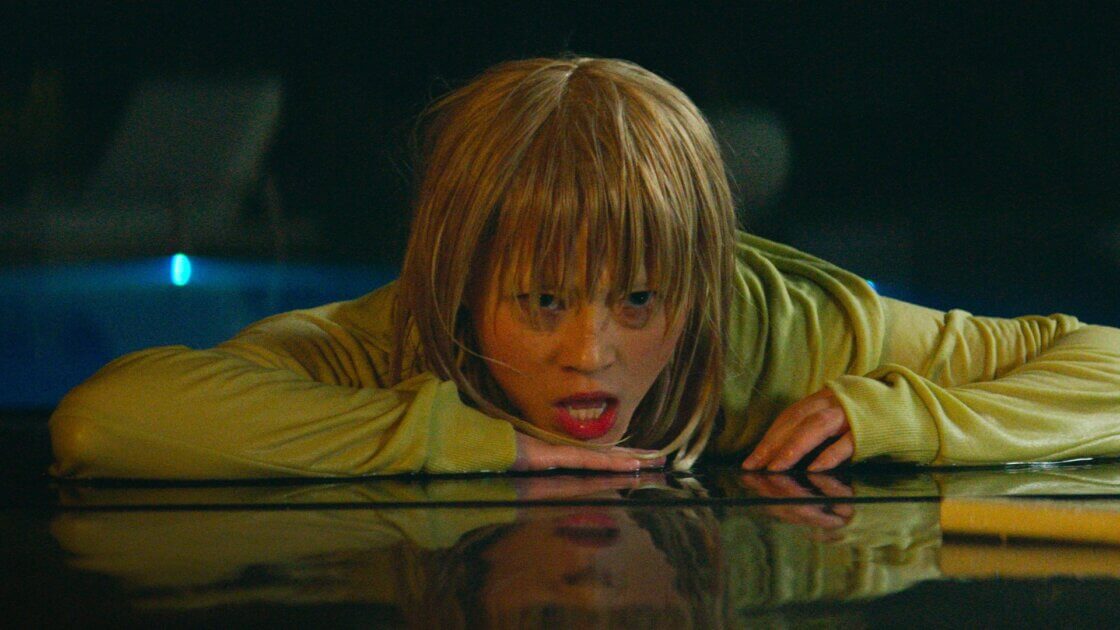
Ally (Samantha Cochrane) is a reclusive teen with Lupus, or so her wealthy, overprotective parents claim. She lives in a beachfront mansion that screams “something sinister happens here,” complete with glass-paneled fridges stocked with hundreds of mysterious bottles. The setup comes with security guards who double as enforcers, and dad, Jeff (David Dastmalchian and Ashley Greene), as Georgia, who subsist on strict calorie counts and an unsettling number of vitamins. Ally herself is frail, bruised, hairless under her wrap, and needs a mobility chair that lowers her into the pool like some tragic mermaid. She’s isolated, homeschooled (or not schooled at all, the film never clarifies), and her only companion is an AI module on a tablet that suggests she get a pet when she asks how to meet people without leaving the house. Fish are good options.
When Friendship Becomes the Real Experiment
Enter Brooke (played with surprising grit by Sydney Taylor, who feels underused). Brooke is a local teen who stumbles into Ally’s world after a beach party near the mansion gets raided by security. Instead of being dragged away, Brooke becomes Ally’s first and only friend. The parents pay her to visit, which Brooke admits upfront. It’s hush money disguised as friendship wages, and Ally, starved for connection, doesn’t care. But Brooke does. She’s not just there for the cash; she’s there because something about this scenario stinks, and she’s got a wheelchair-bound brother, Robbie, to look after. The money helps, but her instincts are sharper than the film gives her credit for.
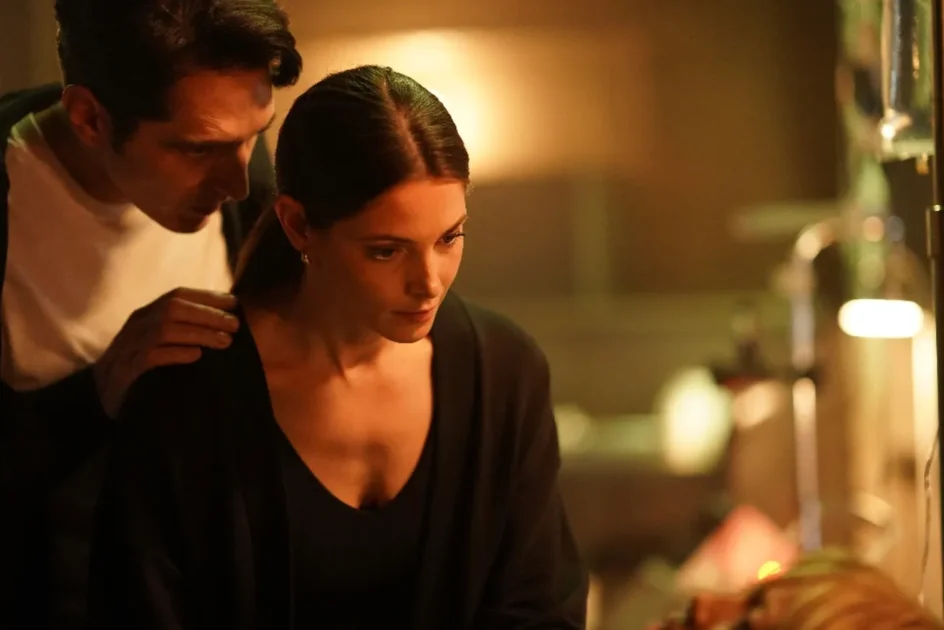
The performances here are solid. Dastmalchian (Oppenheimer and Late Night with the Devil) brings a quiet menace to the dad role, while Greene (The Immaculate Room) plays the mom with enough cold calculation to make you wonder if she’s running a lab or a household. Cochrane, nearly unrecognizable after V/H/S Halloween, carries Ally’s transformation from sickly captive to vengeful survivor with conviction even when the script doesn’t quite do her justice.
The pacing, though? It meanders. For a 90-minute runtime, too much of it is spent on repetitive scenes of Ally and Brooke watching home movies or on Brooke talking to her brother about sneaking around to steal meds to sell. The film wants to build suspense through slow reveals, but it mostly just stalls. We know the parents are up to something. The glass fridges full of bottles aren’t subtle. Neither is the weird lady who leaps on Ally and bites her mid-film. It’s a moment the parents dismiss as “just crazy.” Sure, Jan.
The Cracks in the Facade (And the Script)
Brooke starts digging after noticing Ally’s parents haven’t aged a day in ten years of home videos. Ally brushes it off as “healthy living!”, but the seed is planted. Brooke drugs the parents’ dinner (because of course she does), steals Ally, and they crash the car. Brooke ends up in a coma, and a doctor discovers Ally’s blood is one of the rarest on the planet. Also, she doesn’t have Lupus. Shocker.
The parents, naturally, send security to trash Brooke’s house and convince Ally she’s better off without her meddling friend. They don’t mention the doctor’s findings, and they change all Ally’s contact methods. But Ally’s not stupid. She stops taking her meds, and within what feels like days, she’s got energy, an appetite, and color in her face. She’s swimming breaststroke in the pool instead of being lowered in like cargo. The transformation is fast, too fast for realism, but the film’s not interested in realism. It’s interested in getting to the reveal.
And what a reveal it is. Sort of.
Ally finds a hidden door in the mansion (because of course there’s a hidden door) and discovers her parents getting blood transfusions. There are blood bags in a fridge. Lots of them. Confronted, mom and dad admit they’re in their 50s and owe their youth to Ally’s blood. They try the “we love you” angle, but Ally’s not buying it. She kills them both and takes over, telling security to clean the pool because she pays their wages now. Boss energy, I guess.
Then comes the underground facility. Ally, Brooke (now awake), and Robbie discover three clones of Ally in a lab, along with the Russian scientist from Ally’s repressed memories. They kill him, destroy the clones, and trample on the blood bags. Problem solved, right?
The Twist That Undermines Everything
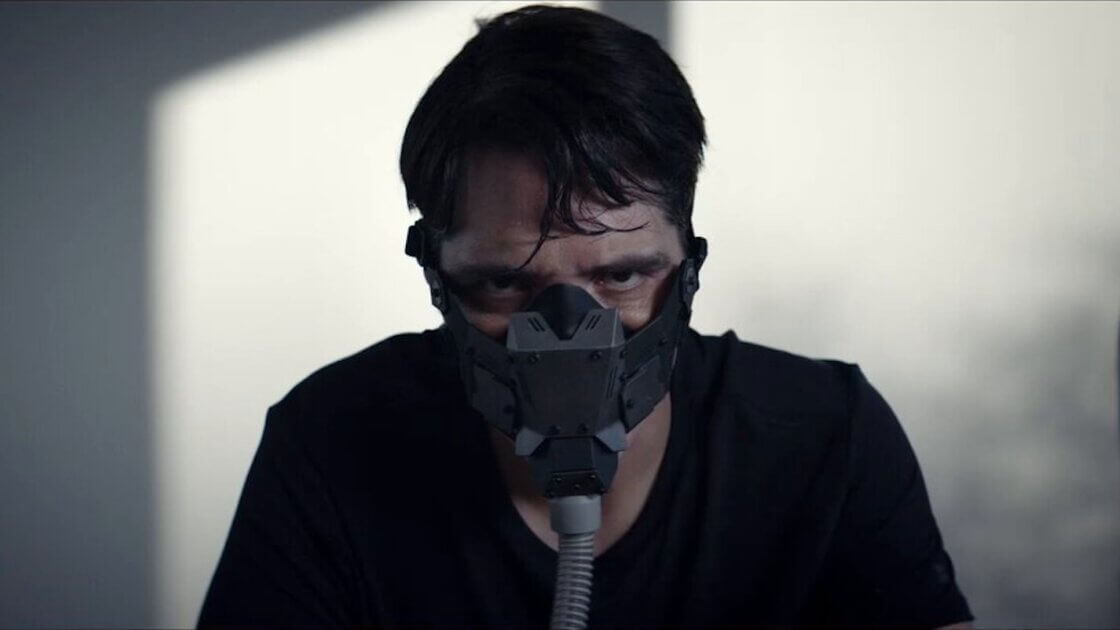
Fast forward: Ally has hair now. She and Brooke are running benefits, using the facility to cure kids with diseases. It’s a redemption arc wrapped in a bow. Then Robbie calls. He’s still investigating the facility because, apparently, it’s massive, stretching twenty stories high, and he’s found a glitch. The camera pans up to reveal rows and rows of clones. Hundreds of them.
Cue credits.
It’s a twist that feels tacked on, like the filmmakers realized they needed a stinger but didn’t think through the implications. If there are hundreds of clones, what were Ally and Brooke doing this whole time? How did they miss an entire warehouse? The facility’s scale is seen in cinematic grandeur, but it’s never visually established until this moment. So the reveal lands with a thud instead of a gasp. It raises more questions than it answers, and not in a fun, “let’s theorize online” way. More in a “did the writers forget their own plot?” way.
The film’s biggest issue isn’t its predictability, though it is predictable. It’s that the ending undermines the entire arc. Ally’s revenge, her takeover, her redemption through helping sick kids, all of it feels hollow when you realize the problem is exponentially bigger than she thought. Did she just… not check? Did Brooke and Robbie not think to explore the facility thoroughly before declaring victory? The film wants to leave us on a cliffhanger, but it mostly leaves us annoyed.
The Bottom Line
The Cure is carried by its cast and let down by its script (Sorry, I really loved Unsane, but I just can’t with this). Dastmalchian and Greene bring enough quiet menace to make you wish the writing matched their commitment. Cochrane’s transformation is the most convincing arc in the film; it’s just a shame the ending pulls the rug out from under it in a way that feels more like franchise planning than storytelling.
The score is so unobtrusive it’s practically absent, whether that’s a deliberate choice to let the performances breathe or simply forgettable composition is hard to say, but it leaves the film feeling quieter than it should. Cinematographer Andrew Russo keeps things clean, and the beachfront setting and roomy real estate are nice, but nothing here lingers.
Verdict
Worth 90 minutes of your time if genetic thrillers are your thing. Don’t expect it to haunt you.
The Cure is rated 3 out of 5 – Watchable mediocrity with solid craft but hollow payoff.
Watchable Mediocrity with Solid Craft
The Cure is competently made, well-acted, and hits its 90-minute mark without overstaying its welcome. But predictability and plot holes keep it from being anything more than a decent time-passer for fans of genetic thrillers.
The Filmmakers Behind the Blood
The writers of Unsane (Jonathan Bernstein and James Greer) bring a similar paranoia to The Cure, though without the claustrophobic intensity that made Unsane a cult hit. Unsane thrived on its lo-fi aesthetic and Soderbergh’s direction; The Cure lacks that edge, opting for a more polished, conventional approach. It’s fine, but it’s missing the rawness that made their earlier work memorable.
Director Nancy Leopardi keeps things moving and lets the actors do their thing, but there’s no distinct visual or narrative stamp here. It’s workmanlike in the best and worst sense, nothing offensive, nothing inspired.
Online Chatter and What People Are Saying
Early reviews are mixed. First Showing dismissed it as “direct-to-video junk,” though they conceded the cast makes it worth a look. Film communities have been speculating about the twist since the trailer dropped, with some predicting it could spark debates.
Dastmalchian’s involvement (post-Oppenheimer, Late Night with the Devil) has drawn some attention, as has Greene’s recent work in The Immaculate Room. Cochrane’s unrecognizable turn after V/H/S Halloween is a talking point for those who’ve seen both. But beyond that, The Cure is flying under the radar.
Need More? Films Like The Cure Are:
- Never Let Me Go (2010) – Clones raised for organ harvesting, but with devastating emotional weight.
- The Island (2005) – Michael Bay’s flashy take on clone exploitation and corporate greed.
- Gattaca (1997) – Genetic manipulation as social commentary, done with elegance and restraint.
- Splice (2009) – Scientists play god with genetics, and it goes horrifically wrong.
Where to Stream The Cure 2026 – Is it Worth Watching?
The Cure
Director: Nancy Leopardi
Date Created: 2026-03-20 18:56
3
