
- Title: Goody Goody 2026
- Director: Raymond Creamer
- Runtime: 80 minutes
- Genre: Horror
- Premiere: World Premiere — Overlook Film Festival 2026 Festival Release Date: April 10, 2026
- Distributor: Shudder
- Shudder Release: Late 2026
Cast:
- Colleen Foy
- Samantha Robinson
- Zoe Renee.
This review discusses atmosphere, tone, and craft without revealing plot twists, or narrative endpoints. Safe to read before your Overlook screening.
Goody Goody is what happens when you make the audience want safety and then systematically dismantle it. Raymond Creamer’s directorial debut is 80 minutes of relentless atmospheric dread wrapped in the false comfort of a home birth, and by the time you realize comfort was never the point, you’re already trapped.
This is essential viewing for horror fans who know that the scariest moments aren’t the ones you see coming.
“Comfort becomes a weapon. Isolation becomes total. And 80 minutes becomes an eternity.” — Mother of Movies on GOODY GOODY #OverlookFilmFestival
Atmosphere as Architecture – Goody Goody Film Review Overlook 2026
The film’s genius is structural. It doesn’t announce danger; it builds it. You start in autumn-toned intimacy, browns, yellows, oranges, the colour palette of something winding down. A midwife arrives. A family settles in. Everything feels manageable until it stops feeling manageable, and by then the doors are closing.
Isolation amplifies everything. Not just physical isolation (though the blizzard traps everyone effectively), but emotional isolation. When three people are locked in a room and something impossible starts happening, the bonds between them become both their only hope and their greatest vulnerability. The film weaponises that tension.
The cinematography doesn’t just show you what’s happening, it strangles you with its choices. Colour drains as dread accumulates. Lighting shifts from clinical to something older and stranger. By the film’s final act, you’re watching people move through spaces never knowing where the danger might be lurking.
Why the Sound Design Matters More Than You Think
If you’re paying attention, the score chants in hushed voices early. Low-key drums. Ticking. Wind that sounds less like weather and more like breathing. Silence that somehow becomes louder than screaming. It’s the kind of score that works on you without your permission.
There’s a moment early on where the lights flicker and the midwife’s face shifts. No music swells. No orchestral stab. Just the sound of electricity failing and a woman’s expression changing. That’s the film’s entire philosophy: the most terrifying thing isn’t what you hear; it’s what the absence of sound means.
The Performances: Erosion Rather Than Explosion
Colleen Foy carries the film as Sarah, the midwife. Her arc isn’t about screaming or panic, it’s about watching professional certainty dissolve in real time. She arrives skeptical, grounded, rational. She leaves as something else. What makes this work is that Foy never telegraphs the shift. It’s subtle. It’s the way her composure fractures incrementally. By the end, you’re watching someone who has been touched by something that shouldn’t exist, and her face tells you she knows it.
Samantha Robinson’s Goody is vulnerable without being helpless. She’s labouring. She’s terrified. She’s also gradually realizing that something fundamental about this situation is wrong. Robinson conveys this realization with restraint, the kind of quiet horror that’s more unsettling than hysteria. Her agonising labor pains are the one sound you might still hear when you think about this film later on.
Zoe Renee as Candace is the emotional stability. She’s the one who stays grounded when everything else is tilting. She’s the one who keeps her mother tethered to reality even as reality becomes negotiable. There’s a moment where she makes a choice that’s both darkly funny and genuinely terrifying, and Renee sells both registers without breaking character.
The Moment That Will Spawn Imitators
There’s a beat in this film, and I’m being deliberately vague here, where two characters are facing the camera, terrified, and one of them refuses to acknowledge something looming behind them. The specificity of that refusal, the dark comedy of self-preservation meeting the situation, the way the film lets the moment exhale without underlining it, this is the kind of scene that becomes a template.
Like the fake jump-scare, as old as horror itself, or the slow zoom-in-on-nothing-until-the-door-closes technique that’s been used endlessly, this is a well-understood horror mechanism executed with unusual precision and wit. It doesn’t reinvent the wheel; it just turns it perfectly. It’s the perfect marriage of terror and humour. It’s the kind of beat that makes audiences gasp and then laugh nervously because they recognize the absurdity even as they’re genuinely frightened.
What This Film Shows You About Birth Horror
Goody Goody knows that birth is already terrifying without adding anything more. The vulnerability, the loss of bodily autonomy, the way pain and fear can distort perception. Horror doesn’t need to invent new fears when the existing ones are this good.
There’s a scene early on where contractions are being timed, where a midwife is examining a labouring woman, where everything looks textbook normal until it doesn’t. And the film never cuts away from that moment. It holds it. Makes you sit with the discomfort. Makes you understand that the most effective horror isn’t about monsters, it’s about the moment when you realize the situation you’re in isn’t what you thought it was.
The Blizzard as More Than Weather
The snow outside isn’t just a plot device that traps people inside. It’s a visual metaphor for isolation becoming total. The film uses it brilliantly, the way it frames characters against white darkness, the way sound becomes muffled, the way the exterior becomes as threatening as whatever might be happening indoors. By the final act, the blizzard feels less like a natural disaster and more like a force actively working against escape.
Why 80 Minutes Is Exactly Right
There’s no fat on this film. Every scene serves the dread. There’s no moment where you think everything’s going to be okay. There’s no false relief. Every beat compound what came before. Goody Goody doesn’t give you the opportunity to settle into false security, and it doesn’t waste scenes on endless dialogue when implication will do.
Shorter doesn’t mean less happens. It means nothing wasted. Nothing indulgent. Just pure atmospheric tension from start to finish.
Rating & Verdict
GOODY GOODY is rated:
4.5 out of 5 Blizzards That Feel Like They’re Breathing
The half-point deduction exists only because the film’s brevity, while a strength, occasionally races past moments. This is essential viewing for horror fans who want to sit in discomfort and actually feel something.
Similar Titles for More of the Same Energy
Need more atmospheric horror with claustrophobic dread? Try these:
- Hereditary (2018) — Grief and family trauma plus slow-burn dread that culminates in the unspeakable. Same “no escape” energy.
- Midsommar (2019) — Isolation, ritual, and the corruption of safe spaces. Daylight horror.
- Apartment 7A (2024) – The Sequel to Rosemary’s Baby is an underrated hidden gem.
- The Babadook (2014) — Grief manifested, maternal vulnerability and the bonds between family members.
- Shelby Oaks (2025) – Sometimes just the presence of a baby is scary enough. (Shelby Oaks Explained)
- Titane (2016) — Body horror, home birth horror films, and the violation of the physical form. French extremity horror.
- Push (2025) — A woman trying to sell a remote estate while pregnant. Isolation and home invasion.
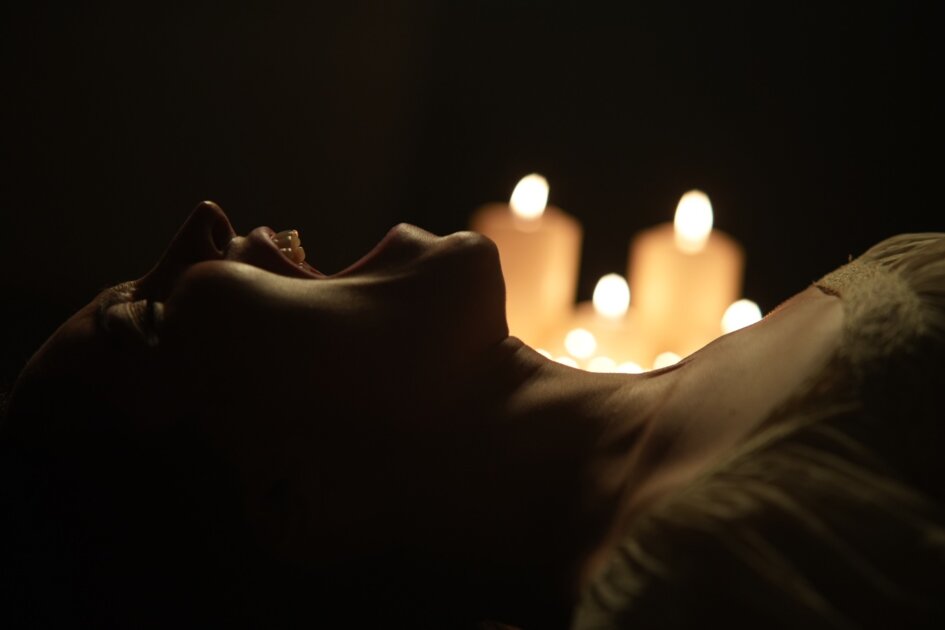
Best Atmospheric Horror Films Shudder via Overlook Film Festival
“Goody Goody” had its world premiere at the Overlook Film Festival 2026 on April 10th and drops and is a Raymond Creamer director debut. It will hit Shudder later in 2026. Overlook has built its reputation on championing uncompromising horror. Shudder has built its reputation on smart, atmospheric terror that respects its audience’s intelligence. Mother of Movies was part of the remote press.
Overlook Film Festival 2026: Why GOODY GOODY Is Essential Claustrophobic Horror Where to Stream

Goody Goody Spoilers
HIT THE ARROW FOR OUR HIDDEN ENDING REVEAL
Before Sarah even arrives at the house, she already knows. A middle-of-the-night premonition pulls her toward a case she’d already refused, a remote home birth miles from any hospital. Then she reads her own tea leaves. And still she goes. Whether that makes her a mystic or simply chosen is one of the questions “Goody Goody” leaves deliberately unanswered.
The creature itself is never given to you cleanly. It exists in shadow, in dark red water, in the suggestion of tentacles beneath the surface. When it finally acts, it’s fast and brutal, and Sarah’s response is equally so. What she pulls from that water and what subsequently takes her into the darkness are two different things. The film revels in showing you that what you half-see is always worse than what you’re shown.
Then there’s Jayson. The camera lingers on photographs of a deer, the same deer he used in his story to convince Sarah to take this case, to come out to this remote house, to be here for this birth. By the time Goody trudges through the snow in her white dress, bleeding from cesarian, and tells Candace she can feel him, not the baby, Jayson, the film has already planted everything it needs. Whether Jayson is the devil, a vessel, or something that was never quite human is never confirmed. The deer story feels less like a detail and more like a trail of breadcrumbs laid long before Sarah ever said yes.
Goody Goody
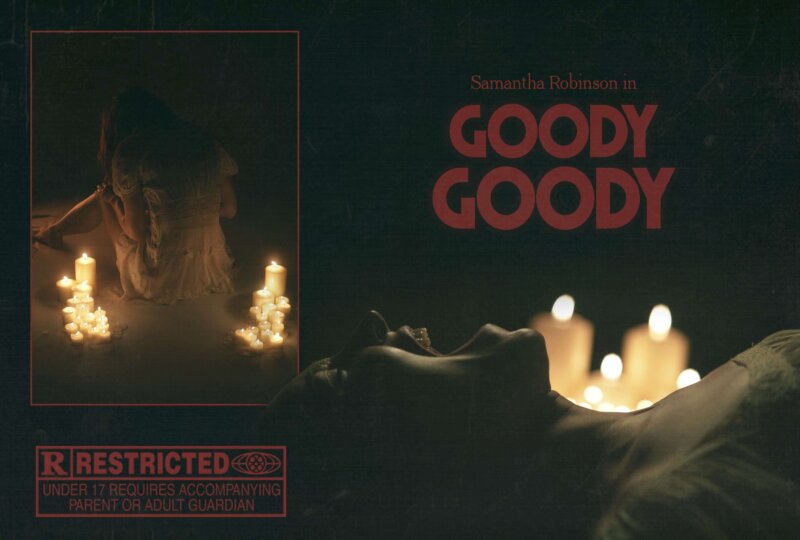
Director: Raymond Creamer
4.5
