
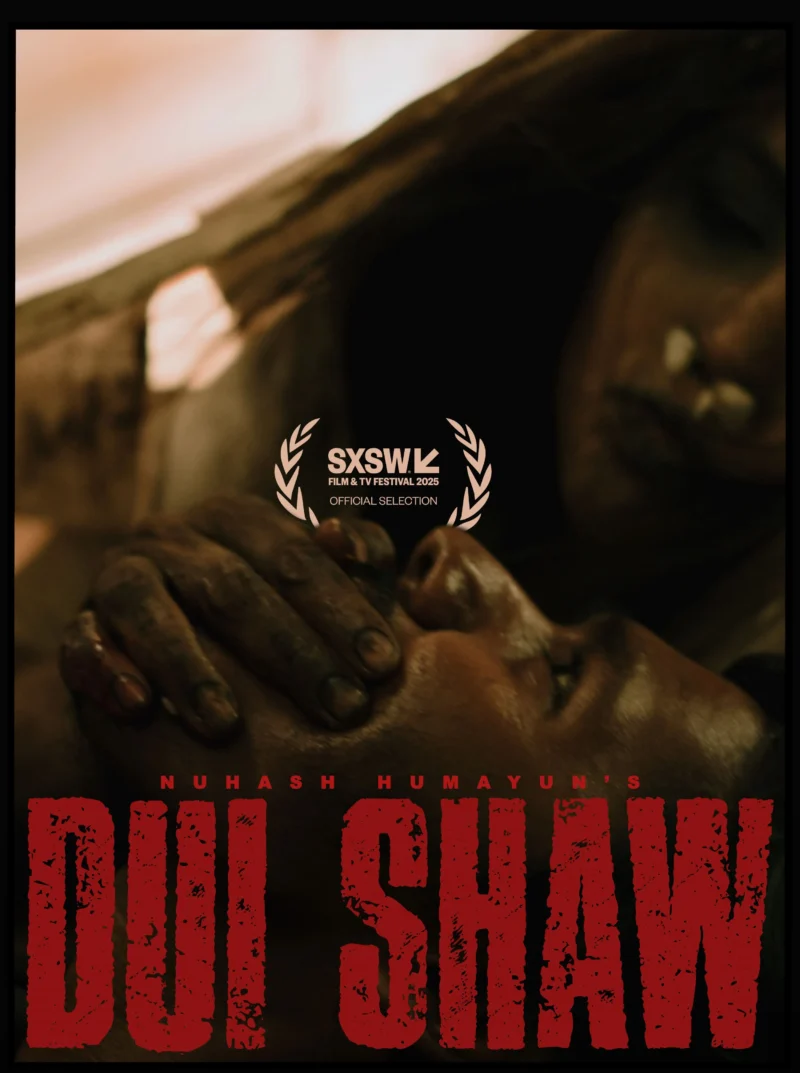
Review by: Mother of Movies DUI SHAW: Nuhash Humayun’s Haunting Anthology Returns
Film: DUI SHAW (TV Series, Season 2) ২ষ
Director: Nuhash Humayun
Episodes: 4 (Waqt, Bhaggo Bhalo, Antara, Beshura)
Release Dates: December 19, 2024 – January 9, 2025
Festival: Fantasia Film Festival
Nuhash Humayun is back, and he’s literally brought hell with him. The trailblazing Bangladeshi filmmaker who marked Fantasia audiences with 2023’s PETT KATTA SHAW returns with DUI SHAW, a horror anthology. This isn’t just genre filmmaking; it’s cinematic provocation, peeling back the veneer of civilization to expose the rot underneath.
This *Dui Shaw* review peels back the anthology’s gritty layers, touching on key plot beats and cinematic flair without ruining final twists. Expect graphic violence and unsettling themes that may rattle sensitive viewers. Dive in if you’re ready for the dark, or step back for a spoiler-free ride.
Dui Shaw Horror Anthology: A Neon-Grimed Curse Unleashed
At the Fantasia International Film Festival 2025, Dui Shaw, a Bangladeshi horror anthology series directed by Nuhash Humayun, flickered onto the screen like a neon-soaked fever dream. Initially mistaken for a feature film due to its festival presentation, its four episodes, “Waqt,” “Bhaggo Bhalo,” “Antara,” and “Beshura,” weave tales of karmic retribution, societal decay, and supernatural dread. I scribbled notes in the dim glow of my loungeroom set-up and from the start was impressed by the series’ audacity but frustrated by its uneven grip.
With a score blending Indian reeds and eerie synths, Dui Shaw is a gritty, grimy plunge into South Asian folklore. It tackles religious violence and patriarchal oppression with a bloody fist. Yet, as my notes lament, it “struggles to hold itself up,” lacking the narrative hooks to fully ensnare.
Waqt Episode 1, Bangladeshi Horror Seeks Divine Retribution in a Neon-Soaked Nightmare
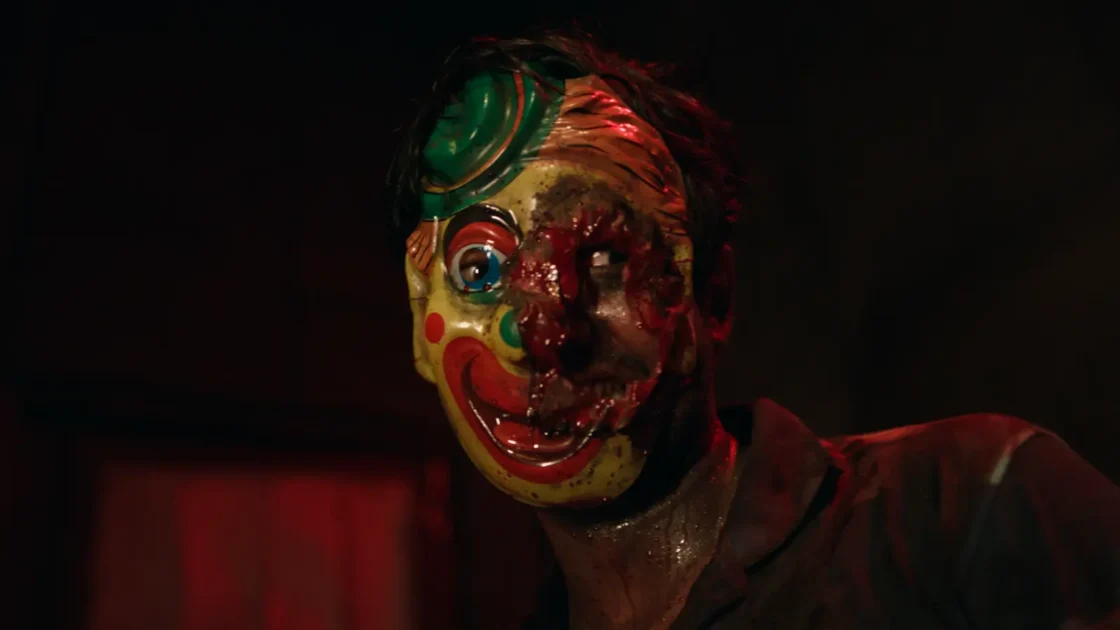
Waqt, the opening salvo of the Dui Shaw anthology series, sets a visceral tone with a tale of supernatural justice steeped in Bangladeshi Muslim identity. A group of broke college students, led by Altaf (Allen Shubhro, radiating brooding intensity), take a shady gig to vandalize a temple for quick cash. Their laughter post-arson feels hollow, a fleeting high before a curse descends, timed eerily with the Azaan, the Islamic call to prayer, a novel twist that grounds the horror in cultural specificity.
My notes capture the vibe: They all wear masks, and the score is Indian-flavored, evoking a tense Bollywood thriller. Indie horror that weaves local identity into its scares, is great, but Waqt’s reliance on gore over emotional depth, as a character laments, “Our sin is spreading,” leaves us craving more than shock value.
The low-light cinematography and neon-soaked streets craft a grimy atmosphere, like a fever dream of urban decay. When Altaf encounters a mysterious woman in a hooded dress, “the screen darkens with a low growling score and a sudden loud smack.” The practical effects peak with a stomach-churning close-up of Altaf burned from head to toe, his hand stuck in the power point, a grotesque image that maximizes the budget’s tight side-shot of charred skin. While pacing stumbles and coherence wanes, other moments hit hard. The Movie Waffler and web buzz praise Waqt’s intensity, noting it “could be expanded to feature length,” cementing its Fantasia 2025 standout status.
Bhaggo Bhalo
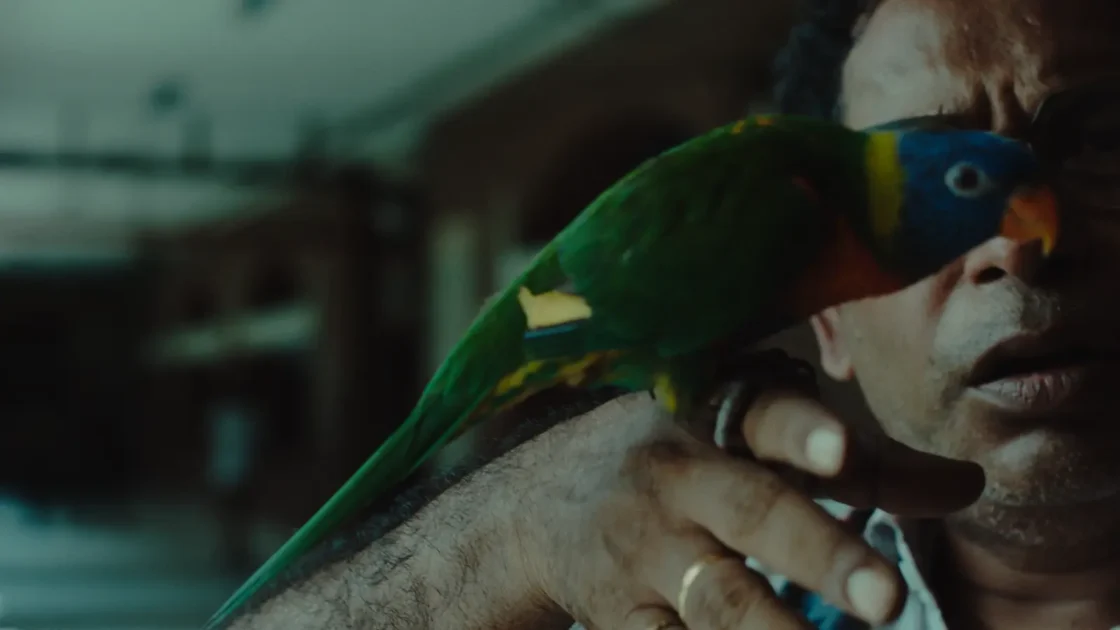
Bhaggo Bhalo, an intense chapter in the Dui Shaw anthology series, plunges us into the grimy slums where palm reader Bhaggo (Rizvi Rizu Chowdhury) wrestles with a desperate mission: fund his mother’s kidney transplant. His mantra, “If someone is in trouble, do not help, turn the other way,” shadows the narrative with the cynical survivalism of a man hardened by life’s blows. But when he breaks the taboo of reading his own palm, the words “Dui Shaw” flash onscreen, and his fortunes flip, five kidney donors materialize, at a soul-crushing cost. We’re hooked on istories that claw at the underbelly of human nature, and Bhaggo Bhalo delivers, even if its moral lands a bit heavy-handed.
Xoaher Musavvir’s vibrant cinematography paints the slums in smooth, dark hues, like a fever dream of grit and hope. Chowdhury’s performance is raw and frantic, his hunger to fix everything making his descent into selfishness achingly palpable. The episode’s first half drags slightly, but around the halfway mark, it shifts into second gear, capturing the desperation of a fortune teller wielding power over fate. The moral,“taking your blows and not playing with fate”, feels preachy at times, but the intensity of Bhaggo’s journey makes this segment unforgettable. As noted by Daily Star, the series’ sold-out Fantasia premiere underscores its festival clout, and Bhaggo Bhalo is a standout reason why.
Antara: A Housewife’s Rebellion in a Psychological Hellscape
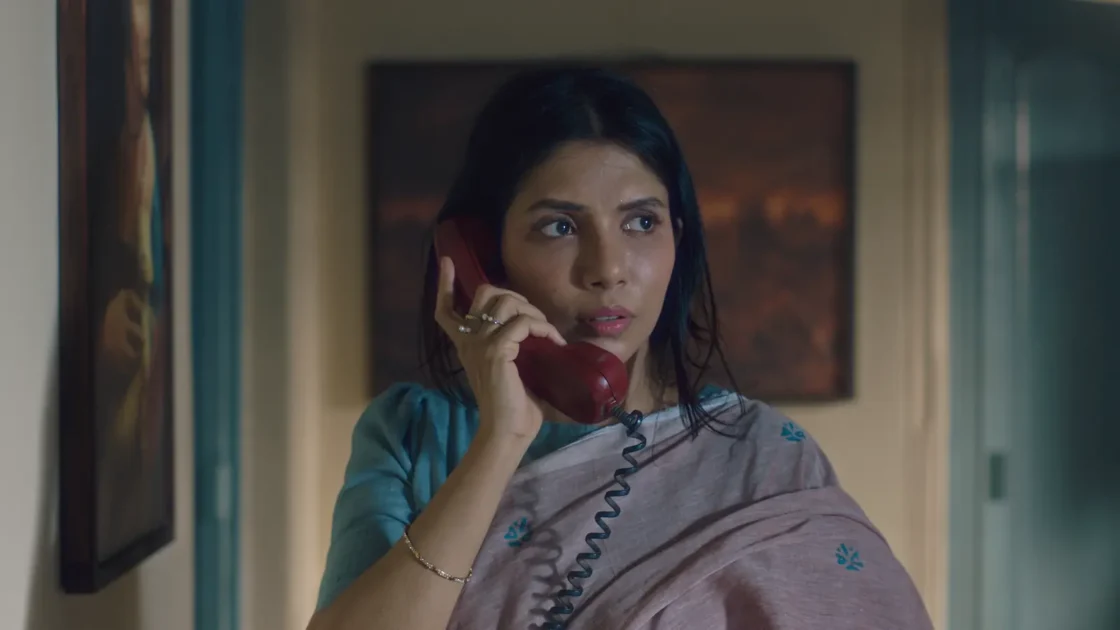
Antara, a standout in the Dui Shaw anthology series, is a psychological horror that doubles as a razor-sharp critique of patriarchal control. Jaya Ahsan stars as Antara, a housewife trapped in a marriage with a writer, Shaitaan (Afzal Hossain), who might just be the Devil himself. His sneering taunt,
“Humans seek out pain. The more you hurt them, the more they like it.”
The words drip with sinister calm, a diatribe that pins Antara’s quiet terror under his gaze. At Mother of Movies, we’re drawn to indie tales that peel back societal facades, and Antara delivers, blending supernatural dread with a metaphor for gaslighting that hits like a punch to the gut.
Ahsan’s performance is agives meaning to the cyclical horror. Her eyes, wide with unraveling fear, convey a woman suffocating under misogynistic control, yet her slow realization, “power cannot be held over you unless you are there to be pinned”, feels triumphant. The story’s time-loop structure, reminiscent of Groundhog Day or Lucky, traps Antara in a daily ritual of brewing tea for her husband, each cycle chipping away at her sense of self. It’s a haunting allegory for societal gaslighting, where memory loss mirrors the erasure of identity under abuse.
The cinematography, with its claustrophobic framing, amplifies the psychological hell, though the supernatural thread feels less compelling than the social commentary. Shaitaan, a writer who “casually centers himself as everything that’s wrong with the world,” embodies patriarchal arrogance, making Antara’s rebellion all the more satisfying. While the segment occasionally leans too heavily on its otherworldly elements, its critique of misogyny and Ahsan’s foreboding performance make Antara a thought-provoking peak in the anthology.
Beshura Episode 4’s Musical Misstep in Folklore Horror
Beshura: A Musical Fable That Sings of Conformity and Knives
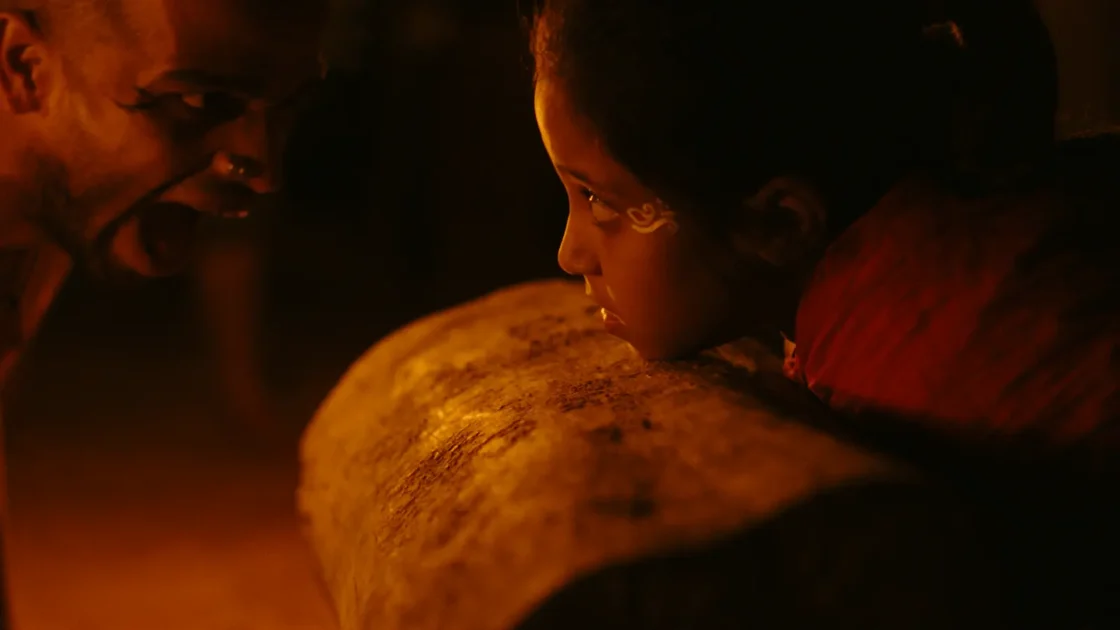
Beshura, the closing chapter of the Dui Shaw anthology TV series, is a fever dream of a musical fable, drenched in vibrant colors and a trumpet-driven score that hums with life. Set in a village where artistic prowess determines your worth, this indie gem follows a tone-deaf girl who must “create” by her eighth birthday or face the Butchers’ gleaming knives. It’s a bold allegory for societal conformity, where deviation is met with an errant taunt: “She’s an ape.” At Mother of Movies, we’re suckers for passion projects that blend beauty with a dark underbelly, and Beshura delivers, though it occasionally stumbles into the absurd.
The film’s strongest pulse is its mesmerizing visuals and sound. The cinematography paints the village in vivid hues, like a fairy tale gone rogue, while the Butchers’ rhythmic knife-sharpening and haunting song about eradicating the “uncreative” are both terrifying and oddly charming. It’s a spectacle of choreography and sound, with every frame bursting like a warped music video. Yet, the story falters at times, veering into absurdity with a witch’s ritual claiming “pain makes people artistic.” The rushed resolution feels like a missed note in an otherwise captivating melody.
Still, Beshura’s blend of vibrant colors, trumpet-soaked score, and pointed commentary on collective persecution makes it a standout. It’s a village of song where nonconformity is a death sentence, and that tension lingers long after the credits roll.
Dui Shaw is rated
3.5Cursed palms out of 5.
Web Buzz: Dui Shaw garnered significant attention at Fantasia 2025, with Daily Star reporting a sold-out premiere and a second screening on August 1, 2025, reflecting its festival hype. Fans on social platforms praise its bold visuals and social commentary. If you love your horror with a dose of religion, watch The Remaining / RIP or The Last Thing Mary Saw.
