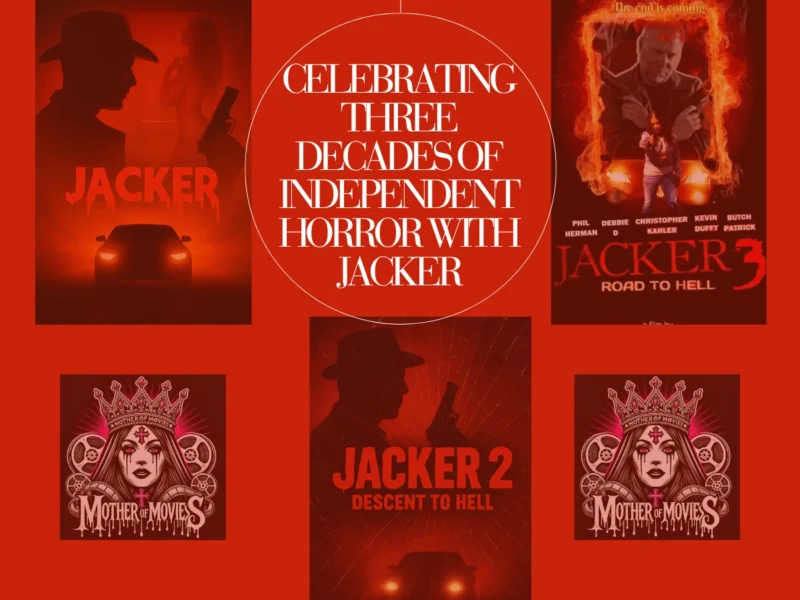
In an industry obsessed with overnight success and viral moments, some stories take thirty years to tell. The Jacker trilogy isn’t just a horror franchise; it’s a testament to the kind of stubborn creative vision that refuses to die.
The Marathon, Not the Sprint
When Phil Herman unleashed Jacker onto the world in 1993, carjackings were dominating news cycles across America. The film tapped into genuine societal fears with the raw authenticity that only independent filmmakers dare to capture. While Hollywood sanitized violence for mass consumption, Herman’s shot-on-video approach delivered something uncomfortably real, like watching security footage of your worst nightmares.
The original Jacker became an underground sensation through Falcon Video, finding its audience in video stores that understood cult cinema. This wasn’t about box office numbers or studio approval; it was about connecting with viewers who craved unfiltered storytelling. In a world where focus groups dictate creative decisions, Herman’s work stood as a middle finger to commercial compromise.
The Original Film: Jacker
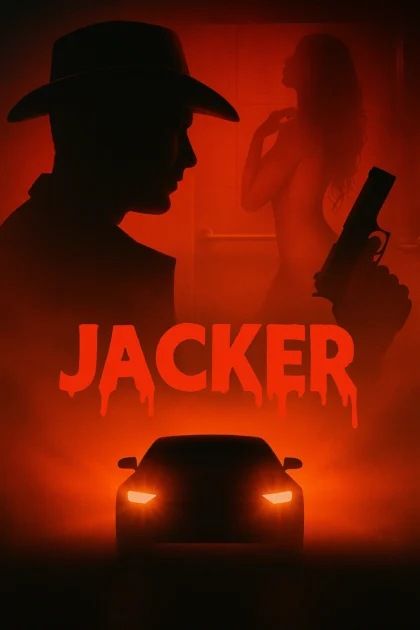
Jacker (1993). In the wake of a terrifying crime spree targeting motorists, where victims are abducted, killed, and their vehicles stolen, a determined police detective focuses his investigation on Mike, an unsettling young man whose behavior raises deadly red flags.
- Cast: Phil Herman (Mike Rivers/Jacker), Barry Gaines, Joel D. Wynkoop, Marilyn Ghigliotti
- Director: Phil Herman Writer: Phil Herman
- Distribution: Falcon Video Production: Independent/Shot-on-video
Shot-on-Video as an Art Form
The 1990s shot-on-video movement gets dismissed as “cheap” filmmaking, but that misses the point entirely. These films weren’t trying to look like Hollywood productions; they were creating their own aesthetic language. The grainy textures and handheld urgency of Jacker weren’t limitations; they were stylistic choices that mainstream cinema couldn’t replicate with all its budget and polish.
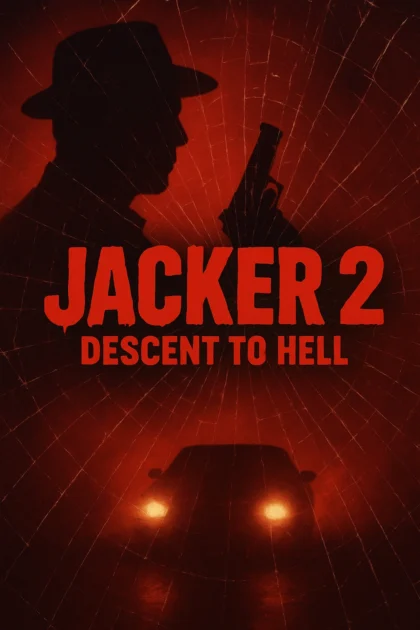
Jacker 2: Descent to Hell pushed this aesthetic further, introducing supernatural elements while maintaining that documentary-like immediacy. Director Barry Gaines understood that sometimes the most effective horror comes from making viewers feel like unwilling witnesses rather than comfortable observers. The three-month filming period in treacherous locations wasn’t just dedication; it was method filmmaking that bled into every frame.
- Film Title: Jacker 2: Descent to Hell (1996)
- Cast: Phil Herman (Mike Rivers), Barry Gaines, Joel D. Wynkoop, Marilyn Ghigliotti
- Director: Barry Gaines Writer: Barry Gaines, Phil Herman
- Distribution: Falcon Video Production: Independent/Shot-on-video (filmed over 3 months in treacherous locations)
Official Synopsis: Mike Rivers has cheated death, surviving his plunge from the bridge, and now burns with vengeance. Manipulating law enforcement into a tragic friendly-fire incident that claims two officers, including his would-be executioner, Rivers uses a fallen cop’s corpse as his weapon of choice. As James recovers from his hospital stay, the question becomes whether he and the police can stop this resurrection of evil before Rivers completes his bloody retribution.
The Three-Decade Evolution
What makes the Jacker trilogy fascinating isn’t just its longevity, but how it mirrors the evolution of independent horror itself. The original captured 1990s anxieties about urban violence. The sequel embraced the supernatural excess that defined late-90s genre filmmaking. Now, Jacker 3: The Road to Hell arrives in an era where independent horror has finally gained critical respect, films like Hereditary and The Babadook proving that low-budget doesn’t mean low-quality.
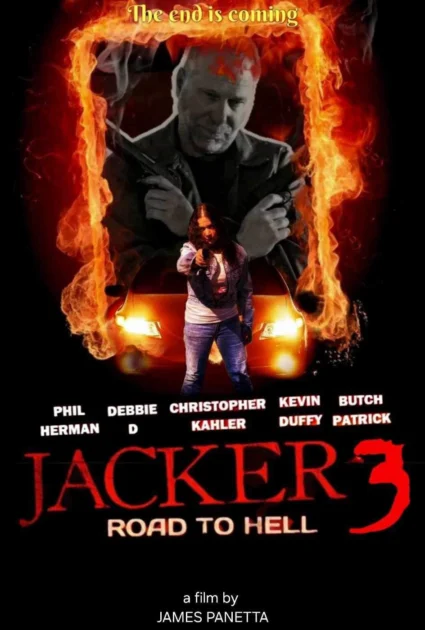
James Panetta’s direction of the final chapter, with Herman co-writing the screenplay, suggests a project that understands both its roots and its current moment. Debbie D’s return as Gloria creates narrative continuity while acknowledging that three decades have passed. This isn’t nostalgia filmmaking; it’s completion of a vision that refused to be rushed.
Cult Following vs. Critical Recognition
The Jacker films represent something crucial about independent cinema: they exist for their audience, not for critics or industry gatekeepers. Joel Wynkoop and Marilyn Ghigliotti’s appearances in Jacker 2 weren’t stunt casting; they were community building. Underground horror operates like a family, with familiar faces creating connections across projects and decades.
This ecosystem matters more than mainstream recognition. While Hollywood churns through franchises and reboots, independent filmmakers like Herman build relationships with viewers who understand that passion projects take time. The thirty-year gap between films isn’t a failure of the system; it’s proof that some stories are worth waiting for.
Jacker 3: The Road to Hell (2025) Three decades after the original nightmare, both Jacker and Gloria emerge from the shadows to reveal the dark genesis of Jacker’s relentless evil. Gloria’s impossible survival from their previous deadly encounter hints at a sinister connection between predator and prey. When Jacker returns to terrorize the highways, investigative journalist Chris races against time to end the carnage and calm a city gripped by fear. With familiar faces returning and stakes reaching their peak, this final chapter promises to answer the questions that have haunted fans for thirty years.
- Film Title: Jacker 3: The Road to Hell (2025)
- Cast: Debbie D (Gloria), Phil Herman, James Panetta Director: James Panetta Writer: James Panetta, Phil Herman (co-written screenplay)
- Distribution: Independent (pre-orders available – see below for details) Production: Independent
- United States August 2, 2025 (Pittsburgh – Grossfest, premiere)
The Uncompromising Vision
“The Jacker trilogy represents everything raw and uncompromising about independent horror cinema, a blood-soaked love letter to filmmakers who refuse to compromise their vision.”
In today’s landscape of algorithm-driven content and focus-group feedback, the Jacker films stand as monuments to creative stubbornness. They remind us that some of cinema’s most vital work happens in the margins, created by filmmakers who understand that art isn’t always comfortable or convenient.
As the trilogy prepares for its conclusion, it’s worth celebrating not just these specific films, but what they represent: the marathon mentality of independent filmmaking, where success is measured in decades rather than opening weekends. Phil Herman and his collaborators didn’t just make horror films; they proved that creative vision can survive industry indifference, financial limitations, and the passage of time itself.
The road to hell might be paved with good intentions, but the road less traveled is built by filmmakers who refuse to take the easy route. Three decades later, that stubborn dedication deserves recognition.
JACKER 3: ROAD TO HELL
JACKER 3: ROAD TO HELL is officially taking orders
All pre-orders and campaign perks will be going out first.
“Don’t Stop for the Stranger.”
The road’s been long… but the ride is about to begin.
JACKER 3: ROAD TO HELL
Pre-Orders:
- 📀 DVD – \$15
- 💿 Blu-ray – \$20
- 📦 Shipping – \$5.95
Message Phil Herman for payment information
Message Phil Herman for payment information
Get ready for chaos, carnage, and pure indie horror madness—secure your copy today.
Let’s show the world what true indie cinema is all about!
Need a great review of Jacker 3 Road to Hell? Read from Film Blitz, they awarded this film a B. / Think you missed films from 2020? Catch up with the best highlights from Fantasia / Check out this micro budget film free to watch on YouTube, and it’s all about life (Upstate Story) / Maybe you like your low budget indie experimental, in that case, learn more about Flesh City here.
Review written by Mother of Movies and co-written by Phil Herman.
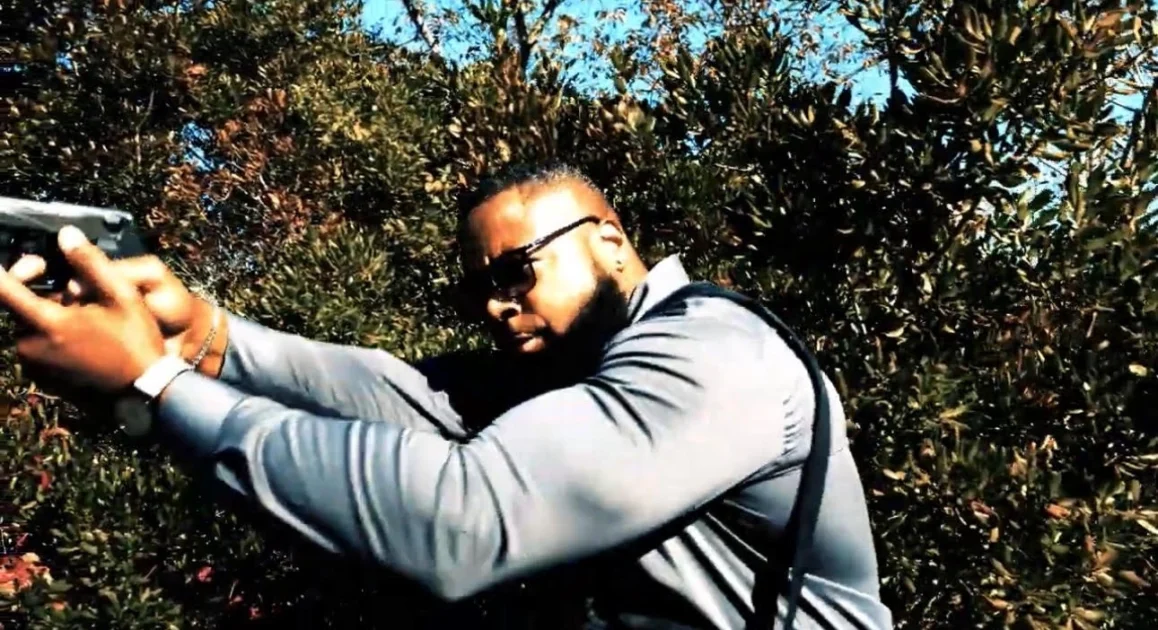
Jacker 2 Film Trailer